Category: Chat

Spring destinations

I wrote this blog after a flight on a beautiful sunny spring day. However, I delayed posting it to avoid looking foolish, because the next day we were ankle-deep in snow again!

There is finally some evidence that spring is on the way: lighter afternoons, the occasional daffodil in bloom, and temperatures now climbing towards double figures. Not yet time to get out the shorts, but perhaps time to dust off the sun-glasses and make the first cross-country trips of 2018.

Take a look at our destinations page for some ideas for short trips.


CB’s in winter?

METAR EGBB 281150Z 11012KT 080V140 9999 SCT018 SCT022 M02/M07 Q1018
TAF EGBB 281100Z 2812/0112 06012KT 9999 SCT030 TEMPO 2812/2818 09015G25KT 1000 SHSN BKN004 BKN020CB

The Met data above prompted a question from a fellow pilot: how can cumulo-nimbus (CB’s) develop in sub-zero temperatures? Surely they are a phenomenon of warm summer days?

The short answer is no, they can occur at any time of year. The fundamental requirement is unstable air which relates to its vertical temperature profile, not its actual temperature. Because sub-zero air holds less water vapour than warm air, we might expect less precipitation (in weight terms) out of a winter CB. In addition, the CB’s may not be as ‘vigorous’ as in summer.

If you want to know more take a look at this analysis:
Winter CB's

British weather

We all know that forecasting British weather is difficult, even in today’s age of supercomputers. Imagine how it was 70+ years ago.

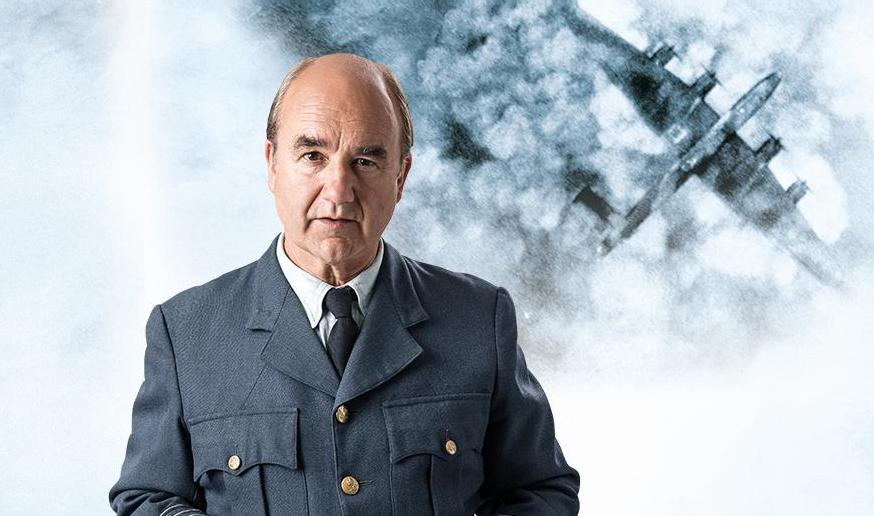
We’ve just returned from seeing David Haig’s play “Pressure”. This is the real-life tale of two Allied meteorologists tasked with predicting the weather conditions for the D-Day landings.

Scottish meteorologist, Group Captain James Stagg, advises General Eisenhower on the weather conditions likely to prevail when 350,000 troops are to be sent across the Channel in Operation Overlord. Stagg predicted severe storms whereas his US counterpart Irving P. Krick predicts beautiful weather. The future of Britain, Europe and the United States rests on one single forecast. Who did Eisenhower choose to believe, and what happened next? You’ll have to watch the play to find out.