
A confession – I own an LSA, Light Sport Aircraft – a Czech Sportcruiser which I’ve flown for 15 years, and have no regrets. So not surprisingly, from time to time, I extol the virtues of LSA’s. What’s the story?
 The LSA category was devised in the USA by the ASTM. These are conventional aeroplanes – not microlights and you fly them on a regular PPL with an SEP rating. They have a maximum take off weight of 600 kg, and many are restricted to day VFR only. In Europe, the applicable design standard is CS-LSA, which was largely copied from the USA standard. Confusingly, near-identical aircraft from the same manufacturer may be certified as microlights (MAUW 450 or 600 kg), LSA’s (600 kg) or VLA’s (750 kg).
So what are the advantages of LSA’s? Firstly, they are relatively modern and typically equipped with glass cockpit (EFIS and EMS). Most are equipped with (non-certified) GPS and many have an autopilot. The majority of models are manufactured in Eastern Europe, which has a strong heritage in light aircraft construction, and where the manufacturing costs are lower. Most LSA’s are powered by Rotax engines. These are less costly to operate than conventional Lycoming or Continental engines: maintenance is simpler and less frequent, and they consume less fuel per hour. They can (ideally, should) be run on unleaded Mogas, which is far cheaper than Avgas. The Sportcruiser, for example, burns 18 lph, cruises at 100 knots and has a range of 650 nm!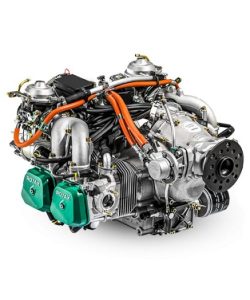
Are there any disadvantages to LSA’s? Because they are lightly built, some pilots find them skittish in turbulence, but that’s really a case of becoming accustomed, and using appropriate control inputs. The MAUW of 600 kg may be a constraint – it’s not an aircraft for two hefty pilots who have consumed too many pies or who want to carry loads of luggage. The Sportcruiser suits me for solo flights, day trips with friends and family, and short trips away from home with several overnight stops. As with any aircraft, decide what your mission is, and purchase something fit for that purpose. Although many LSA’s are quite capable of flying in IMC, the certification normally does not allow this. Depending on the certification (some operate on a CAA Permit, others on a Restricted Type Certificate) you need a suitably qualified maintenance engineer – but don’t worry, there are plenty in both categories.
As an instructor, I should address their suitability as training aircraft? Again, there are pro’s and con’s.
 A sleek, modern, EFIS equipped aircraft is going to be attractive to potential flying school students, and will be inexpensive to operate, with relatively few maintenance surprises. But being modern and recently built, the capital investment is greater than for a tired Cessna or Piper spam-can; there are few low priced second-hand LSA’s on the market. MAUW may be a constraint, although a realistic training sortie does not need anything like full fuel, so fuel load can be traded for pilot and student weight
The most important consideration for training is robustness. LSA’s are popular training aircraft in the USA, where they operate off paved runways. . I would be cautious using LSA’s for ab initio training on some of the UK’s bumpy grass runways. My teaching technique for landings would be more interventional – an LSA would not be happy with the heavy or bounced landings which students occasionally make during circuit training. However, they would make excellent hire aircraft for competent hour builders. If considering an LSA as a trainer, it would be worth investigating their track record, and particularly how the undercarriage is constructed – sprung steel being more forgiving than a composite fibre-glass undercarriage.
So there you have it – a great aircraft to own, to use on trips, and with care a potential training aircraft. If you’re considering buying one, get advice from someone who has operated them. I’d be glad to help.